

Psychiatric Nurse Practitioner in Texas: What to Know
A psychiatric nurse practitioner in Texas is a licensed advanced practice registered nurse who specializes in diagnosing and treating mental health conditions, including ADHD, anxiety, and depression. The formal credential is the Psychiatric Mental Health Nurse Practitioner board certification, known as PMHNP-BC, awarded through the American Nurses Credentialing Center. These practitioners operate under the oversight of the Texas Board of Nursing and can prescribe medication, conduct comprehensive psychiatric evaluations, and coordinate ongoing care. Many practice across major Texas cities and via telehealth, making specialized mental health support more reachable than ever for patients across the state.
What services do psychiatric nurse practitioners provide in Texas?
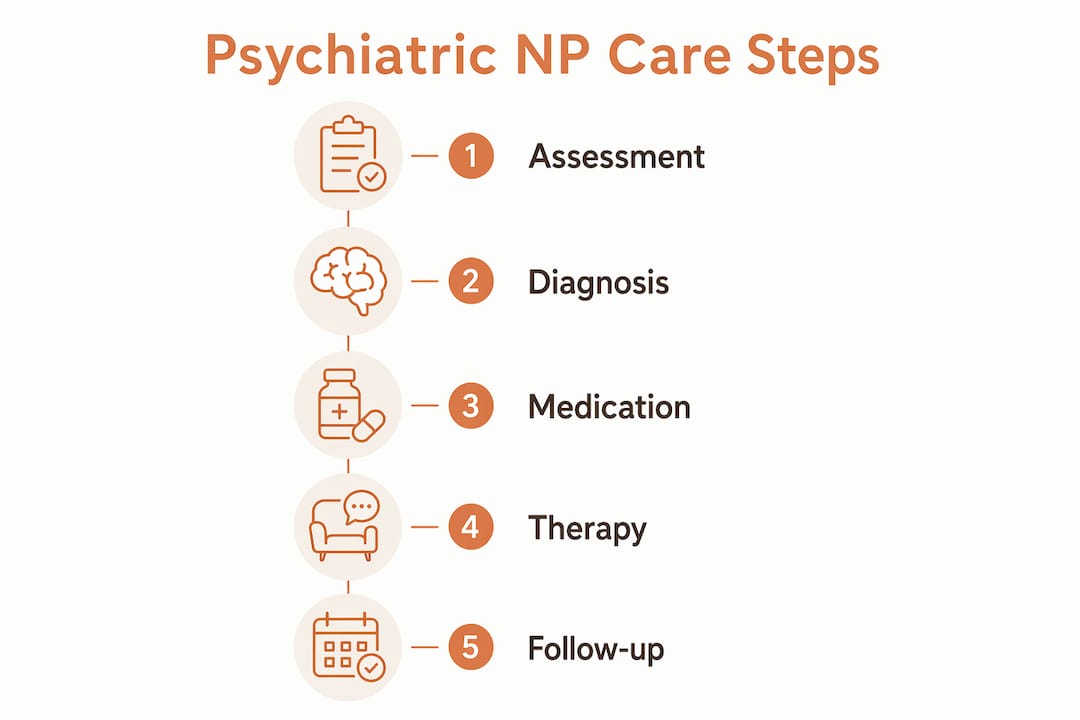
A psychiatric NP in Texas delivers a full range of clinical services, from initial evaluation through long-term medication management. The scope goes well beyond writing prescriptions. These practitioners assess the whole picture of your mental health, including your history, symptoms, and daily functioning, before recommending a treatment path.
Core services typically include:
- Comprehensive psychiatric evaluations that assess symptom severity, personal history, and functional impact for conditions like ADHD, anxiety, and depression
- Medication management tailored to your specific diagnosis, adjusted over time based on how you respond
- Psychotherapy referrals or coordination with licensed therapists when talk therapy is part of your care plan
- Telehealth appointments conducted via secure video platforms, giving you access to care from home
- Trauma-informed care integrated into treatment for patients whose mental health is shaped by past experiences
Practitioners like Elizabeth Rock, MSN, APRN, PMHNP-BC, combine diagnostic evaluations with psychopharmacology and therapy referrals in a multimodal approach. That means your care is not limited to one tool. You get a treatment plan that fits your life, not just your diagnosis.
Pro Tip: Ask your psychiatric NP at the first appointment whether they coordinate directly with therapists or prefer written referrals. Knowing this upfront helps you build a complete care team faster.

How to find and verify a qualified psychiatric nurse practitioner in Texas
Finding a qualified Texas mental health practitioner takes more than a quick internet search. Credential verification protects you from providers who may not meet state standards. Follow these steps to confirm you are working with a legitimate, board-certified professional.
-
Check the Texas Board of Nursing website. The Texas Board of Nursing maintains a real-time license database. You can search by name and confirm active licensure, certification status, and any disciplinary history.
-
Confirm PMHNP-BC certification. Board certification through the American Nurses Credentialing Center signals that the practitioner has passed a national competency exam in psychiatric mental health nursing. Ask directly or check the provider’s clinic profile.
-
Search clinic and platform directories. Many qualified practitioners list their credentials on clinic websites or telehealth directories. These profiles often include education, specialties, and accepted insurance plans.
-
Ask about referral requirements. Many Texas psychiatric practices allow direct appointment booking without a primary care referral, which reduces delays in getting care.
-
Confirm insurance acceptance before scheduling. Insurance coverage varies widely by provider. Calling ahead or checking the provider’s online profile saves time and prevents unexpected out-of-pocket costs.
Pro Tip: Screenshot or save the Texas Board of Nursing license verification page for your records. If your provider’s status changes, you will have a baseline to compare.
What are the typical appointment options and insurance coverage?
Access to a psychiatric NP in Texas has improved significantly. Telehealth is now a standard mode of care delivery, with practitioners like Dr. Chinwe Ojiyi, DNP, PMHNP-BC, offering consistent quality care via secure video visits statewide. This matters most for patients in rural areas or those with limited mobility.
| Appointment type | Availability | Notes |
|---|---|---|
| Same-day appointments | Available at select clinics | Reduces wait time for urgent evaluations |
| Next-day appointments | Widely available | Common for new patient intakes |
| Telehealth visits | Statewide | Secure video, no travel required |
| In-person visits | Major Texas cities | Houston, Dallas, Austin, San Antonio |
Insurance coverage is another area where Texas patients have real options. Some providers accept over 40 insurance plans, which means most patients can find a psychiatric NP who works with their carrier. Kimberly Epperson, PMHNP, is one example of a Texas practitioner enrolled in a broad insurance network.
Key points on coverage and cost:
- Many providers accept major commercial plans, Medicaid, and Medicare
- Out-of-pocket rates vary; ask for a self-pay fee schedule if you are uninsured
- Telehealth visits are often covered at the same rate as in-person visits under Texas law
- Direct-access scheduling without a PCP referral has reduced the treatment gap for many Texas patients
How do psychiatric nurse practitioners create a supportive treatment experience?
The clinical relationship between you and your psychiatric NP shapes how well treatment works. Practitioners who prioritize comfort and open communication produce better outcomes, particularly for conditions like ADHD, anxiety, and depression that carry social stigma.
“Treating patients as persons first, not just a set of symptoms, is what drives better medication management outcomes. When patients feel heard and respected, they stay engaged in their care and communicate honestly about what is and is not working.”
Kimberly Epperson, PMHNP, on her patient-centered philosophy
Jacquelyn Rodriguez, PMHNP, prioritizes a relaxed atmosphere for patient comfort, recognizing that many people feel anxious about their first psychiatric appointment. That intentional approach reduces the barrier to honest communication, which is the foundation of accurate diagnosis and effective treatment.
The best psychiatric NPs in Texas treat quality of life as the goal, not just symptom reduction. That means asking how you sleep, how you function at work, and how your relationships are affected. It also means adjusting the plan when something is not working, rather than staying on a fixed protocol. Empathetic communication and medication management together improve patient engagement and treatment adherence in ways that medication alone cannot achieve.
Psychological safety is not a soft concept. It is a clinical factor. Patients who trust their provider report symptoms more accurately, follow through on treatment plans, and return for follow-up care. Choosing a practitioner whose communication style matches your needs is as important as verifying their credentials.
Key Takeaways
A qualified PMHNP-BC in Texas provides comprehensive psychiatric care for ADHD, anxiety, and depression through both in-person and telehealth appointments, with many accepting over 40 insurance plans and offering same-day or next-day scheduling.
| Point | Details |
|---|---|
| Verify credentials first | Check active licensure and PMHNP-BC status on the Texas Board of Nursing website before your first appointment. |
| Telehealth is a real option | Secure video visits are available statewide and often covered by insurance at the same rate as in-person care. |
| Insurance access is broad | Some Texas psychiatric NPs accept over 40 insurance plans, making care affordable for most patients. |
| No referral often needed | Many Texas practices allow direct scheduling without a primary care referral, cutting wait times significantly. |
| Patient-centered care improves outcomes | Practitioners who treat you as a whole person, not just a diagnosis, produce better engagement and adherence. |
What I have learned about finding the right psychiatric NP in Texas
After spending years writing about mental health access and speaking with patients across Texas, one pattern stands out clearly. The patients who get the most from psychiatric care are the ones who do two things well: they verify credentials before committing, and they pay attention to how a provider communicates in the first appointment.
Credential verification sounds obvious, but most people skip it. The Texas Board of Nursing website takes less than five minutes to use. That five minutes can tell you whether a provider is actively licensed, whether they hold the PMHNP-BC designation, and whether any complaints have been filed. Skipping that step is not worth the risk.
The communication piece is subtler. A provider who talks at you rather than with you will not get accurate information from you. Inaccurate information leads to wrong diagnoses and ineffective treatment plans. If you leave a first appointment feeling unheard, that is data. Trust it.
Telehealth has genuinely changed access for Texas patients, especially those outside Houston, Dallas, or Austin. If geography or a busy schedule has kept you from seeking care, a telehealth psychiatric evaluation removes that barrier entirely. The quality of care via secure video is clinically equivalent to in-person for most psychiatric conditions.
One more thing: do not expect medication to do all the work. The most effective treatment plans for ADHD, anxiety, and depression combine medication management with some form of therapy or behavioral support. Ask your psychiatric NP about referrals from the start, not after months of medication alone.
— Jamie
Journeymhw offers structured psychiatric care for Texas patients
If you are ready to connect with a psychiatric NP who specializes in ADHD, anxiety, and depression, Journeymhw makes that process straightforward. The platform offers virtual psychiatric evaluations and medication management designed specifically for Texas patients, with quick appointment availability and a clear, structured care pathway.
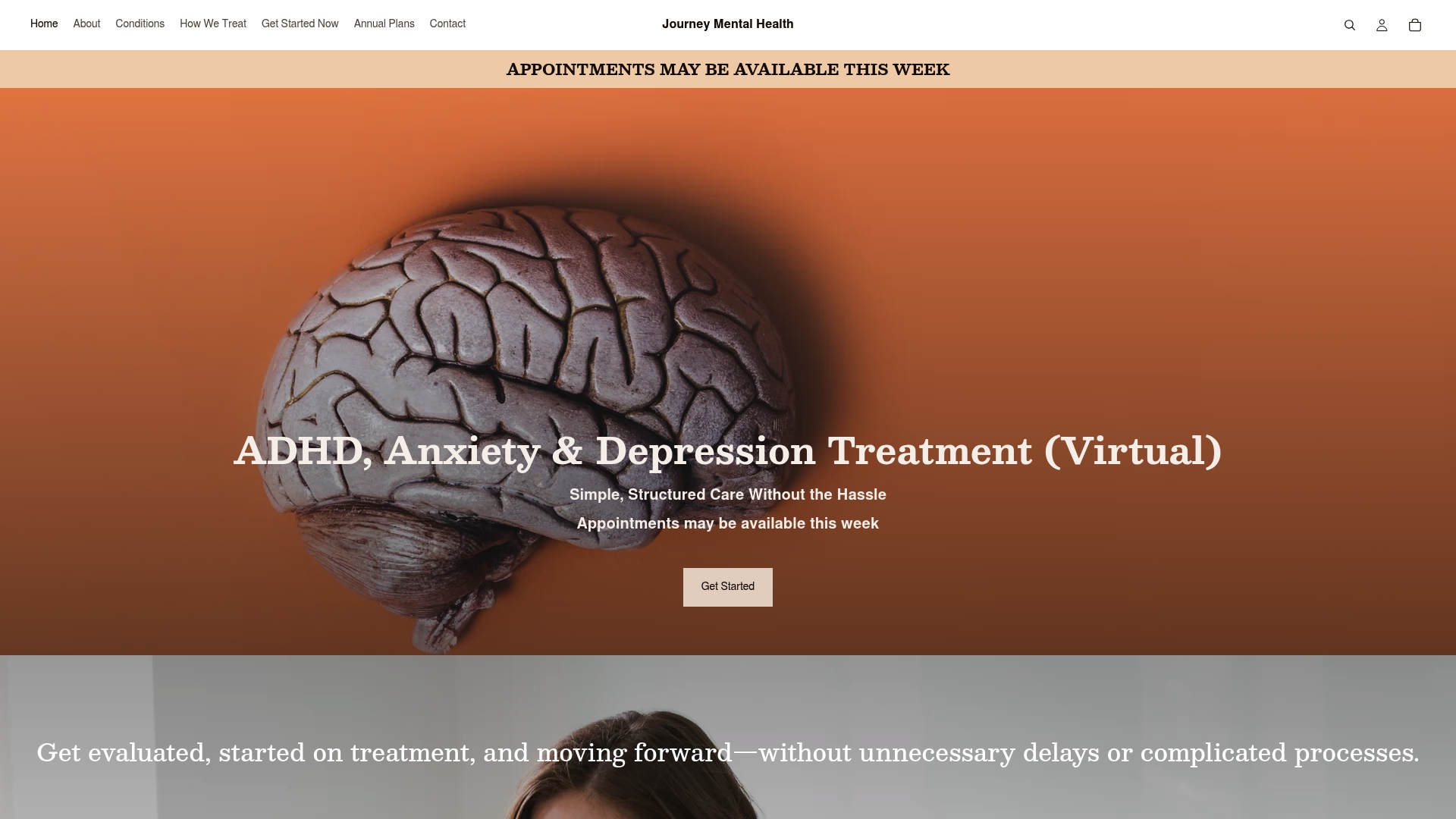
Journeymhw’s treatment plans cover ADHD treatment in Texas, anxiety care, and depression support through board-certified practitioners. Appointments are available via telehealth, so you can access care from home without waiting weeks for an opening. The Simple Plan offers a structured entry point into psychiatric care at a transparent price. You can book your appointment directly online without a referral.
FAQ
What is a PMHNP-BC and how is it different from a psychiatrist?
A PMHNP-BC is a board-certified Psychiatric Mental Health Nurse Practitioner, a licensed advanced practice nurse who can diagnose mental health conditions and prescribe medication. A psychiatrist holds a medical degree (MD or DO), while a PMHNP-BC holds a nursing degree with advanced psychiatric specialization.
Can a psychiatric nurse practitioner in Texas prescribe medication for ADHD?
Yes. A board-certified psychiatric NP in Texas can prescribe controlled substances, including stimulant medications commonly used for ADHD, under state prescriptive authority rules governed by the Texas Board of Nursing.
How do I verify a psychiatric NP’s license in Texas?
Use the Texas Board of Nursing license verification tool to confirm active licensure, PMHNP-BC certification, and any disciplinary history before scheduling your first appointment.
Does insurance cover telehealth psychiatric visits in Texas?
Most major insurance plans cover telehealth psychiatric visits in Texas at the same rate as in-person care. Some Texas psychiatric NPs are enrolled in over 40 insurance networks, so confirming your specific plan with the provider before booking is the fastest way to know your costs.
Do I need a referral to see a psychiatric nurse practitioner in Texas?
Most Texas psychiatric practices do not require a primary care referral. Direct-access scheduling is common, which means you can book an evaluation for ADHD, anxiety, or depression without waiting for a referral from another provider.