

Daily Challenges Living With Untreated ADHD
Attention-deficit/hyperactivity disorder (ADHD) is a neurodevelopmental condition defined by persistent patterns of inattention, impulsivity, and hyperactivity that interfere with daily functioning. The daily challenges living with untreated ADHD are significant: up to 75% of adults with the condition are undiagnosed, meaning millions are struggling without knowing why. Untreated ADHD affects over 15 million Americans, with symptoms that touch every part of life, from work performance and finances to relationships and self-esteem. Understanding what you are dealing with is not just reassuring. It is the first step toward doing something about it.
1. How does untreated ADHD affect organization and task management?
Chronic disorganization is one of the most visible daily ADHD obstacles adults face. Impulsivity and disorganization impair the management of daily tasks and finances, making it hard to prioritize, track, and complete what needs to get done. You might start three tasks at once, finish none of them, and then feel paralyzed by the pile that builds up.
Real-life examples include missing bill payment deadlines, losing keys or important documents repeatedly, and forgetting grocery lists despite writing them down. These are not character flaws. They are symptoms of a brain that processes and organizes information differently.
- Difficulty prioritizing which task to tackle first
- Losing track of multi-step projects at work or home
- Forgetting to pay bills or respond to important messages
- Misplacing everyday items like phones, wallets, and keys
- Starting tasks impulsively without a clear plan
Pro Tip: Break every task into three or fewer steps and write each step on a separate sticky note. Place the notes where you will physically see them, not buried in a planner.
2. What role does time blindness play in daily challenges with untreated ADHD?

Time blindness is the clinical term for impaired time perception, and it is one of the most disruptive aspects of living with ADHD concerns. Poor time management leads directly to missed deadlines, chronic tardiness, and disrupted social and work life. Adults with untreated ADHD often experience time as either “now” or “not now,” with very little sense of how long tasks actually take.
This affects far more than punctuality. Self-care routines, medical appointments, and social commitments all suffer when time perception is unreliable. You may genuinely intend to arrive on time, but underestimate how long getting ready takes by 30 minutes or more.
- Consistently arriving late to work, appointments, or social events
- Underestimating how long tasks will take
- Procrastinating until a deadline creates enough urgency to act
- Losing track of time during absorbing activities
- Skipping self-care because the day “ran out” of time
Pro Tip: Set a timer for 15 minutes less than you think you need to complete a task. The external alert creates a time anchor that your internal clock cannot.
3. How do untreated ADHD symptoms impact memory and focus?
Difficulty sustaining focus, frequent forgetfulness, and hyperfocus episodes are core features of untreated adult ADHD. The brain with ADHD does not lack attention. It struggles to direct attention consistently toward tasks that are not immediately stimulating or rewarding. This creates a frustrating pattern where you can spend four hours absorbed in something interesting, then cannot focus for four minutes on something necessary.
Forgetfulness shows up in ways that feel embarrassing and costly. Missed appointments, forgotten commitments to friends, and walking into rooms with no idea why you went there are all common experiences. Mental fatigue compounds the problem, making focus even harder by the afternoon.
- Forgetting appointments, even ones you scheduled yourself
- Losing your train of thought mid-sentence or mid-task
- Hyperfocusing on low-priority activities while urgent tasks wait
- Needing to re-read the same paragraph multiple times
- Forgetting to take medications or complete daily routines
The contrast between hyperfocus and distractibility confuses many adults into doubting their own diagnosis. If you can focus intensely on video games or a creative project, you might wonder whether ADHD is really the issue. The answer is yes. ADHD affects the ability to choose where attention goes, not the capacity for attention itself.
4. In what ways does untreated ADHD contribute to emotional challenges?
Untreated ADHD is associated with higher rates of anxiety, depression, and burnout as a direct result of symptom masking and chronic corrective feedback. When you spend years being told you are lazy, careless, or not trying hard enough, the emotional toll accumulates. This is not a side effect. It is a predictable outcome of living without support.
Emotional dysregulation is another core symptom that often goes unrecognized. Rejection sensitivity, intense frustration over small setbacks, and rapid mood shifts are all part of the ADHD picture. These responses are neurological, not personal failures, and they can strain relationships at home and at work. Learning about ADHD and anxiety together helps explain why so many adults carry both conditions simultaneously.
“Acceptance and compassion toward the ADHD experience, even when cognitively misunderstanding it, are critical steps toward healing. The shame cycle from years of corrective feedback can worsen co-occurring anxiety or depression, making symptoms harder to manage.”
Self-esteem takes a consistent hit when you measure yourself against neurotypical standards. The gap between your potential and your output feels like a personal failure, even when it is a structural one. Recognizing this pattern is not an excuse. It is the foundation for building a more realistic and compassionate relationship with yourself.
5. How does untreated ADHD affect relationships and social life?
ADHD symptoms create friction in relationships that is hard to explain without a diagnosis. Forgetting important dates, interrupting conversations, zoning out during discussions, and acting impulsively can all read as indifference or disrespect to people who do not understand what is happening. The reality is that ADHD impacts adult relationships in specific, documented ways that have nothing to do with how much you care.
Partners, friends, and colleagues often feel ignored or deprioritized. You may genuinely forget a conversation that happened yesterday. You may interrupt not out of rudeness but because the thought will vanish if you do not say it immediately. These behaviors erode trust over time when left unaddressed.
Social exhaustion is also real. Masking ADHD symptoms by mirroring neurotypical behavior in social settings takes significant mental energy. Masking behaviors delay diagnosis and cause burnout, which then makes every other symptom worse. The social cost of untreated ADHD is cumulative and serious.
6. What are effective coping strategies for managing ADHD symptoms daily?
Managing ADHD without a formal treatment plan is possible, but it requires deliberate structure. The most effective approach combines environmental design, behavioral tools, and a strengths-based mindset. Confidence builds through small, repeatable wins rather than through willpower or positive self-talk alone. That means setting up systems that work with your brain, not against it.
Here are the most practical strategies adults use to reduce daily ADHD obstacles:
- Use external reminders aggressively. Phone alarms, calendar notifications, and physical checklists reduce the cognitive load of remembering.
- Design your environment. Keep frequently lost items in one dedicated spot. Reduce visual clutter to lower distraction.
- Time-block your schedule. Assign specific time slots to tasks rather than working from an open to-do list.
- Identify your peak focus window. Most adults have a two to three hour window of sharpest attention. Protect it for your hardest tasks.
- Reduce masking behaviors. Trying to appear neurotypical at work or in social settings drains energy that you need for actual functioning.
- Seek a professional evaluation. Recognizing difficulties and seeking professional evaluation improves outcomes for adults managing untreated ADHD. A diagnosis opens access to medication management, therapy, and structured support.
| Strategy | Best for |
|---|---|
| Phone alarms and calendar alerts | Forgetting appointments and deadlines |
| Environmental design (dedicated spots) | Losing everyday items |
| Time-blocking | Procrastination and poor time estimation |
| Strengths-based goal setting | Low self-esteem and motivation |
| Professional psychiatric evaluation | Persistent symptoms affecting work and relationships |
Pro Tip: Track three small wins each evening in a notes app. Over two weeks, you will have documented evidence of your own capability, which is far more effective than generic affirmations.
7. Why does ADHD often go undiagnosed in adults?
ADHD in adults looks different from the hyperactive child stereotype, and that gap causes most missed diagnoses. Adult ADHD often presents as internal restlessness, chronic underperformance, and emotional volatility rather than obvious physical hyperactivity. Clinicians who are not trained in adult presentations may miss it entirely.
Women and girls are particularly underdiagnosed because ADHD in females more often presents as inattentiveness and anxiety rather than disruptive behavior. Many adults receive anxiety or depression diagnoses first, and the underlying ADHD goes untreated for years. The secondary conditions are real, but treating only them without addressing ADHD produces limited results.
Cultural and socioeconomic factors also play a role. Adults who developed strong compensatory strategies in school, or who worked in high-stimulation environments that masked their symptoms, may not recognize their own struggles as ADHD until a major life transition strips away those coping structures.
Key Takeaways
Adults living with untreated ADHD face daily obstacles across organization, time perception, memory, emotional regulation, and relationships, and structured coping strategies combined with professional evaluation produce the most consistent improvement.
| Point | Details |
|---|---|
| Widespread underdiagnosis | Up to 75% of adults with ADHD are undiagnosed, leaving millions without support. |
| Time blindness is central | Impaired time perception drives chronic lateness, procrastination, and missed deadlines. |
| Emotional impact is serious | Untreated ADHD raises the risk of anxiety, depression, and burnout through masking and shame cycles. |
| Small wins build confidence | Repeatable, documented wins are more effective than willpower or positive self-talk alone. |
| Professional evaluation matters | Seeking a formal assessment opens access to medication management and structured treatment. |
What I’ve learned from watching adults finally get answers
The most striking thing I have observed is how much relief adults feel when they finally understand why daily life has been so hard. Not guilt. Not excuses. Relief. The framework shifts from “I am broken” to “my brain works differently, and I can work with that.”
What concerns me is how long most people wait. Years of ADHD overwhelm accumulate into a kind of learned helplessness that is genuinely hard to reverse. The shame cycle, where chronic corrective feedback worsens anxiety and depression, is not a metaphor. It is a documented clinical pattern that makes every symptom harder to manage.
The deficit model of ADHD, which focuses entirely on what is wrong, misses something important. Adults with ADHD often show exceptional creativity, hyperfocus-driven productivity, and a capacity for lateral thinking that neurotypical brains rarely access. The goal is not to become a different person. The goal is to build structures that let your actual strengths show up consistently.
My honest recommendation is this: do not wait for a crisis to seek evaluation. The earlier you get a clear picture of what you are working with, the sooner you can stop fighting your own brain and start working with it.
— Jamie
Journeymhw offers structured ADHD support online
Adults in Texas and Colorado who recognize these patterns in their own lives have a clear next step available. Journeymhw is a telehealth platform that provides virtual psychiatric evaluations, structured treatment plans, and ongoing medication management for adults with ADHD.
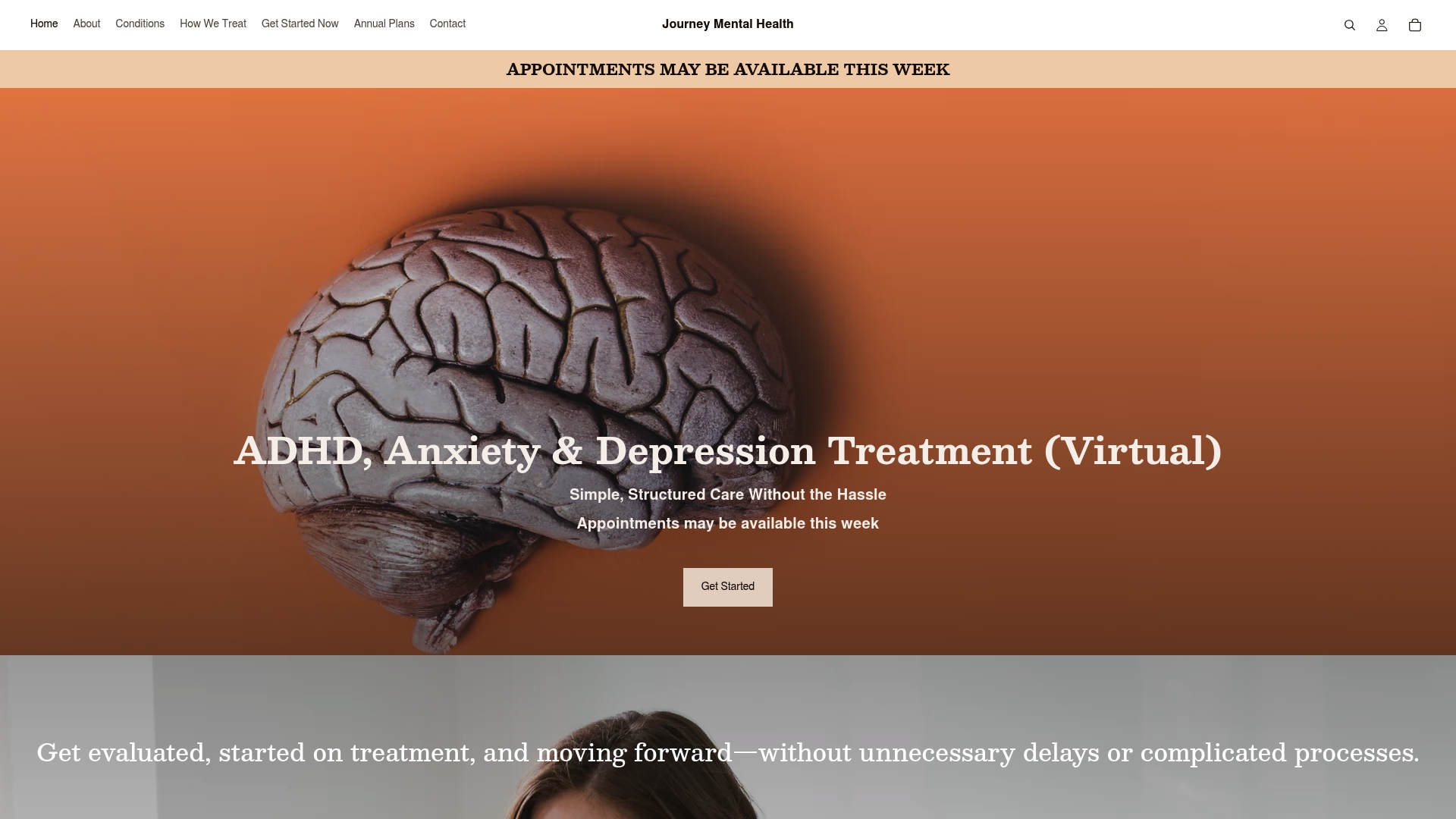
The process is designed to be direct and accessible. You complete an assessment online, connect with a licensed provider, and receive a personalized care plan without the wait times typical of in-person clinics. Journeymhw’s ADHD medication management program is built specifically for adults who need consistent, professional support. If you are ready to move from coping alone to receiving structured care, ADHD treatment through Journeymhw is a practical place to start.
FAQ
What are the most common daily challenges of untreated ADHD?
The most common daily challenges include chronic disorganization, time blindness, forgetfulness, difficulty sustaining focus, and emotional dysregulation. These symptoms affect work performance, finances, relationships, and self-esteem.
Can adults have ADHD without knowing it?
Yes. Up to 75% of adults with ADHD are undiagnosed and unaware of their condition. Adult ADHD often presents as anxiety, underperformance, or emotional volatility rather than the hyperactivity associated with childhood diagnoses.
How does untreated ADHD affect mental health?
Untreated ADHD is associated with higher rates of anxiety, depression, and burnout, largely due to years of masking symptoms and receiving corrective feedback without understanding the underlying cause.
What coping strategies help most with ADHD and daily life?
The most effective strategies include external reminders, environmental design, time-blocking, and identifying peak focus windows. Seeking a professional evaluation adds access to medication management and structured psychiatric support.
Does ADHD affect relationships?
ADHD directly affects relationships through forgetfulness, impulsivity, and difficulty sustaining attention during conversations. These behaviors are neurological, not intentional, and improve significantly with proper diagnosis and treatment.