

Choosing the Right Psychiatric Care Plan for You
A psychiatric care plan is a personalized, structured treatment framework designed to address your specific mental health condition, goals, and circumstances. Choosing the right psychiatric care plan means matching that framework to your diagnosis, your preferences, and your life. Adults managing ADHD, anxiety, or depression benefit most when their plan is built around them, not around a generic protocol. The difference between a plan that works and one that stalls often comes down to fit, continuity, and realistic expectations from the start.
What does choosing the right psychiatric care plan actually involve?
A psychiatric care plan is not a single document handed to you after one appointment. It is a living treatment framework that evolves as your clinician learns more about how you respond to care. Understanding this from the beginning changes how you approach the entire process.
A typical first psychiatric visit lasts about 60 minutes and results in a working diagnosis and an initial care plan. That word “working” matters. A working diagnosis is a starting point, not a final verdict. Psychiatric diagnosis firms up over several visits as patterns become visible over time. Patients who expect a definitive answer after one session often feel frustrated when the plan shifts. That shift is not a failure. It is the process working correctly.
The structure of a well-built care plan typically includes:
- A working diagnosis based on your reported symptoms and clinical assessment
- An initial treatment approach, which may include medication, therapy, or both
- Clear follow-up intervals to monitor your response
- Adjustments based on what is and is not working
- A plan for managing symptoms between appointments
Continuity with the same clinician over time is one of the strongest predictors of positive long-term mental health outcomes. That means the relationship you build with your provider is itself part of the treatment. Switching providers frequently resets that process and increases the risk of fragmented, inconsistent care.
Pro Tip: Ask your provider at the first visit: “What does my care plan look like for the next three months?” This sets a shared expectation for follow-up and helps you track progress.
How do you assess your mental health needs before selecting a plan?
Before you evaluate any provider or plan, you need a clear picture of what you are looking for. This step is often skipped, and it leads to mismatched care.

Start by identifying your primary goal. Are you seeking symptom relief, a formal diagnosis, medication management, therapy, or a combination? Each goal points toward a different type of provider and plan structure. A patient whose main concern is managing ADHD at work needs something different from a patient whose anxiety is affecting sleep and relationships.
Work through these questions before your first appointment:
- What symptoms are affecting your daily functioning most?
- Do you want medication, therapy, or both?
- Do you prefer in-person visits or telehealth treatment?
- Are there cultural, identity, or communication preferences your provider should know?
- How much time can you realistically commit to follow-up appointments?
Personal preferences around communication style, cultural competence, and care format directly influence treatment alliance and success. A provider who communicates in a way that does not match your style will make honest symptom reporting harder. That matters because honest reporting is what allows your plan to be adjusted accurately.
Conditions like ADHD, anxiety, and depression each carry specific treatment considerations. ADHD management often centers on medication titration and behavioral strategies. Anxiety treatment frequently involves a combination of medication and cognitive behavioral therapy. Depression care may require more frequent early follow-ups to monitor medication response. Knowing your condition’s typical treatment path helps you ask better questions.
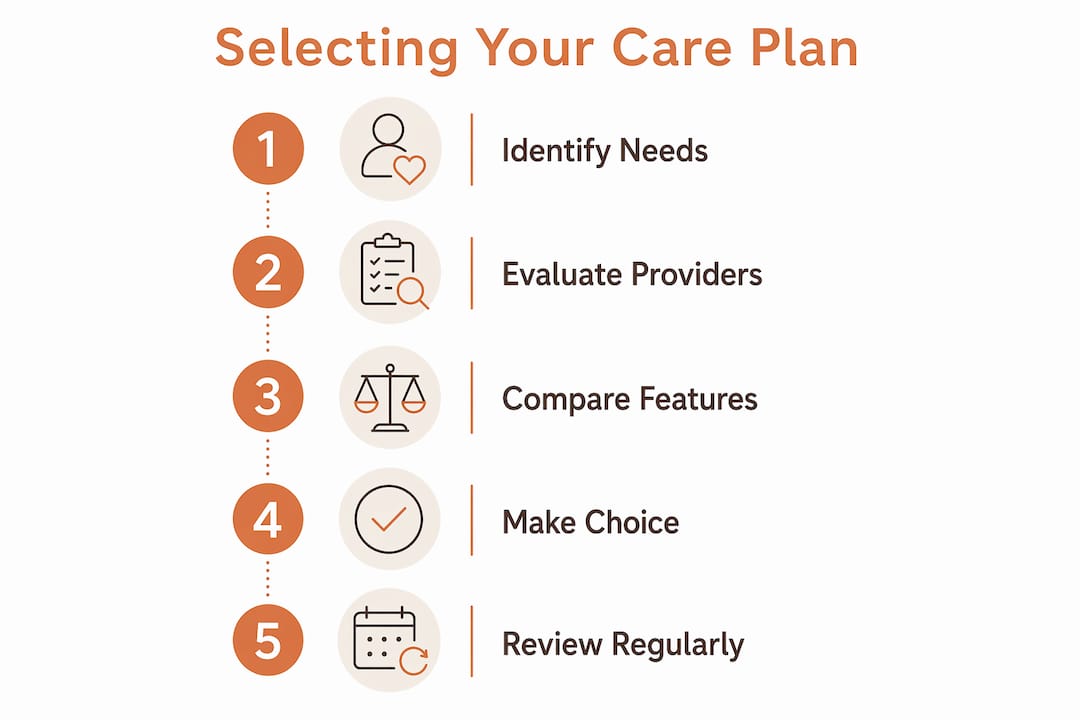
Pro Tip: Write down your top three symptoms and how they affect your daily life before your first appointment. This gives your provider a concrete starting point and shortens the time to an accurate working diagnosis.
How do you select a psychiatric provider and plan that fit your needs?
Finding the right provider takes more than a quick search. A structured approach saves time and reduces the chance of a poor fit.
Follow these steps when evaluating your options:
- Start with a referral if possible. Your primary care physician can refer you to a psychiatrist with relevant experience in your condition. Referrals also help with insurance coverage.
- Verify credentials and specialization. Check that the provider is licensed in your state and has documented experience treating ADHD, anxiety, or depression in adults.
- Confirm insurance coverage. Verifying in-network providers before your first appointment reduces out-of-pocket costs significantly. Out-of-network psychiatric care can be expensive without prior planning.
- Assess the provider’s treatment approach. Psychiatric providers vary widely in their focus. Some specialize in medication management, others in therapy, and others offer integrated approaches. Match their approach to your goals.
- Check availability and follow-up capacity. Many psychiatrists are not accepting new patients. Plan for potential wait times and ask about their follow-up scheduling process before committing.
- Evaluate communication style. A brief initial consultation, even by phone, tells you a great deal about whether the provider’s style matches your needs.
When comparing care plan features, focus on three categories: medication management, therapy access, and integrated services. Some plans offer only one of these. A structured mental health treatment plan that combines evaluation, medication, and follow-up care gives you more continuity than a plan built around single-service visits.
| Feature category | What to look for |
|---|---|
| Medication management | Ongoing prescribing with regular monitoring and dose adjustments |
| Therapy access | Licensed therapist available within the same care system |
| Integrated services | Coordinated care between prescriber and therapist |
| Follow-up structure | Scheduled check-ins, not just on-demand appointments |
| Telehealth availability | Virtual visits for flexibility and reduced access barriers |
What are the most common mistakes when choosing psychiatric care?
Several patterns consistently derail adults who are trying to get the right care. Recognizing them early keeps your treatment on track.
- Prioritizing availability over continuity. Choosing the first available provider rather than one who can commit to ongoing care leads to fragmented treatment. Continuity is more predictive of long-term success than initial availability.
- Expecting a final diagnosis at the first visit. A working diagnosis is the starting point. Pressing for certainty too early can lead to premature treatment decisions.
- Using urgent care for ongoing psychiatric management. Urgent care and walk-in clinics lack the capacity for comprehensive diagnosis or longitudinal management. They are appropriate for crises, not for building a care plan.
- Skipping the insurance check. Discovering that your provider is out-of-network after several sessions creates financial stress that can interrupt treatment.
- Ignoring provider-patient rapport. A provider with impressive credentials but a communication style that does not work for you will produce worse outcomes than a well-matched provider with equivalent training.
- Not asking about emergency protocols. Your care plan should include a clear process for what to do if symptoms worsen between appointments.
“The initial psychiatric care plan is a dynamic, evolving document, not a fixed prescription. Patients who treat it as a starting point rather than a final answer engage more effectively with their treatment and adjust more readily when the plan needs to change.”
Adjusting your expectations about the pace of psychiatric care is not pessimism. It is preparation. Treatment for ADHD, anxiety, and depression rarely resolves in a single plan cycle. Building in flexibility from the start makes the process less frustrating and more productive.
How do you get the most from your psychiatric care plan over time?
Active engagement with your care plan is what separates patients who improve from those who plateau. Passive participation, showing up and waiting to be told what to do, produces slower results.
The habits that support sustained improvement include:
- Tracking mood, energy, focus, and side effects between appointments using a simple daily log or app
- Reporting honestly to your provider, including when things are not improving or when side effects are affecting your quality of life
- Attending all scheduled follow-ups, especially in the first three months when medication adjustments are most common
- Using support systems such as therapists, peer groups, or trusted family members to reinforce your plan outside of clinical settings
- Asking for a care plan review if your symptoms change significantly or if you feel your current approach has stopped working
Regular follow-up and honest communication with your provider are the most direct drivers of treatment success. Your provider can only adjust what they know about. If you are not reporting accurately, the plan cannot be calibrated correctly.
Seeking a second opinion is appropriate when you have followed a plan consistently for an agreed period and have seen no meaningful improvement. A second opinion is not a sign of distrust. It is a responsible step in managing your own care.
Key Takeaways
Choosing the right psychiatric care plan requires matching your diagnosis, preferences, and goals to a provider and treatment structure built for continuity, not just convenience.
| Point | Details |
|---|---|
| Care plans are dynamic | Your initial plan is a starting point that evolves based on your treatment response over time. |
| Continuity drives outcomes | Staying with the same clinician is one of the strongest predictors of long-term mental health improvement. |
| Know your goals first | Clarify whether you need medication, therapy, or integrated care before evaluating any provider. |
| Verify insurance early | Confirming in-network coverage before your first appointment prevents costly surprises later. |
| Active engagement matters | Honest symptom tracking and consistent follow-up are what allow your plan to be adjusted accurately. |
Why the relationship matters more than the résumé
I have seen adults spend months searching for the most credentialed psychiatrist in their area, only to drop out of care after three sessions because the communication style was wrong. Credentials matter. They are not the whole picture.
What actually sustains treatment is the quality of the working relationship. A provider who listens carefully, explains their reasoning, and adjusts the plan based on your feedback will outperform a technically superior clinician who treats appointments as checklists. I have watched patients with complex ADHD and co-occurring anxiety make real, measurable progress with providers who were not the most decorated in their field but who showed up consistently and communicated clearly.
The other thing most articles do not say plainly: your first care plan will probably be wrong in some ways. That is not a failure of the provider or of you. Psychiatric diagnosis and treatment are iterative. The patients who do best are the ones who stay in the process long enough for the plan to be refined. Leaving after the first adjustment is like stopping a course of antibiotics because you feel slightly better. The work is not done yet.
Prioritize finding a provider you can be honest with. That honesty is the raw material your care plan is built from.
— Jamie
Personalized psychiatric care at Journeymhw
Adults managing ADHD, anxiety, or depression deserve a care plan built around their specific needs, not a one-size approach. Journeymhw offers structured psychiatric evaluations, medication management, and ongoing follow-up care through a telehealth platform designed for adults in Texas and Colorado. The focus is on continuity: you work with the same clinical team across appointments so your plan can be refined over time, not restarted from scratch.
Whether you are seeking an initial evaluation or looking to build a more consistent ADHD treatment plan, Journeymhw makes it straightforward to get started from home. Quick appointment availability means you do not have to wait months to begin. Personalized care, delivered consistently, is how real progress happens.
FAQ
What is a psychiatric care plan?
A psychiatric care plan is a personalized treatment framework that includes your working diagnosis, treatment approach, and follow-up schedule. It evolves over time as your clinician learns how you respond to care.
How long does it take to get a psychiatric diagnosis?
A working diagnosis typically emerges within the first visit, but a confirmed diagnosis develops over several sessions as patterns become clearer.
Can urgent care manage ongoing psychiatric treatment?
Urgent care clinics lack the capacity for comprehensive psychiatric management or long-term care planning. They are appropriate for acute crises but not for building or maintaining a mental health treatment plan.
What questions should I ask a psychiatrist before starting care?
Ask about their experience with your specific condition, their approach to medication versus therapy, how often you will meet, and what the process is if your symptoms worsen between appointments.
Does insurance cover psychiatric care plans?
Most insurance plans cover psychiatric services, but coverage varies. Verifying that your provider is in-network before your first appointment is the most reliable way to reduce out-of-pocket costs.
Recommended
- Your Structured Mental Health Treatment Plan Guide – Journey Mental Health
- Your guide to navigating mental health treatment options – Journey Mental Health
- Your Mental Health Care Checklist for the First Appointment – Journey Mental Health
- What Is a Mental Health Treatment Plan? – Journey Mental Health